Few things stop a baling day faster than a knotter that keeps breaking twine, dropping ties or spitting out loose knots. The knotter is the most precise mechanism on any square baler, and when it misbehaves every bale that leaves the field is either untied, half-tied or wasting twine.
In this troubleshooting guide we work through the most common baler knotter failures symptom by symptom: what you see, what is actually happening inside the knotter, and the step-by-step fix. No baling season survives by guessing — so keep this checklist near the baler.
1. The Knotter in 30 Seconds
Understanding the four parts makes every fix below click into place. The needle pushes twine up through the bale chamber; the bill hook catches the twine and twists it into a knot; the twine disc carries the twine and holds tension; and the knife cuts the used twine after the knot is tied. Timing ties all of them together. When any one part drifts out of adjustment, the whole cycle fails.
2. Symptom-by-Symptom Diagnosis
Match what your baler is doing to the table below, then jump to the fix. This is the fastest way to get from "why is this happening" to "how do I stop it."
| Symptom | Most Likely Cause | Primary Fix |
|---|---|---|
| Twine keeps breaking at the knot | Disc too tight, burrs in the groove | Polish disc grooves, reset tension |
| Missed ties / no knot at all | Worn bill hook or dull knife | Replace bill hook and knife |
| Loose or slipping knot | Twine tension too low | Increase tension in small steps |
| Knot tied but cut too short | Knife timing too early | Retime the knife relative to the hook |
| Twine jams / wraps the knotter | Chaff build-up, dry twine | Clean knotters, use baler-grade twine |
| Several knotters fail together | Master timing out of phase | Re-set master timing / driveshaft sync |
3. Fix Checklist — Step by Step
Work through these in order. Each step rules out the most common cause before you go deeper.
Step 1 — Clean the knots off and inspect
- Stop the baler, chock it and disengage the PTO before touching the knotter area.
- Brush every knotter clean of chaff, dust and old twine fragments. A dirty knotter is the #1 cause of jams.
- Look for burrs or rough spots on the twine discs and bill hooks with your fingertip.
Step 2 — Check and set twine tension
- Too little tension and the strand slips off the hook; too much and the twine snaps.
- Turn the tension adjusters only a quarter-turn at a time and run a test bale between changes.
- Keep both left and right feed tension equal so the bale ties square.
Step 3 — Verify knotter timing
- Rotate the flywheel by hand (belts off) and watch one full tying cycle.
- The bill hook should catch the twine the moment the needle passes, tie the knot, and be stripped by the wiper arm cleanly.
- If every knotter is off by the same margin, suspect the master timing rather than one unit.
Step 4 — Inspect and replace wear parts
- Bill hooks, twine discs and cutters wear over thousands of bales. A rounded bill hook will not hold twine.
- Keep a spare set on hand before harvest; replacing a $15 part mid-season beats a lost afternoon.
Step 5 — Use the right twine
- Low-grade or dry, aged twine snaps even on a perfect knotter. Use baler-grade sisal or polypropylene rated for your baler.
- Store twine rolls dry and off the ground so they do not absorb moisture.
4. When You Fix the Knotters, Maintain the Whole Baler
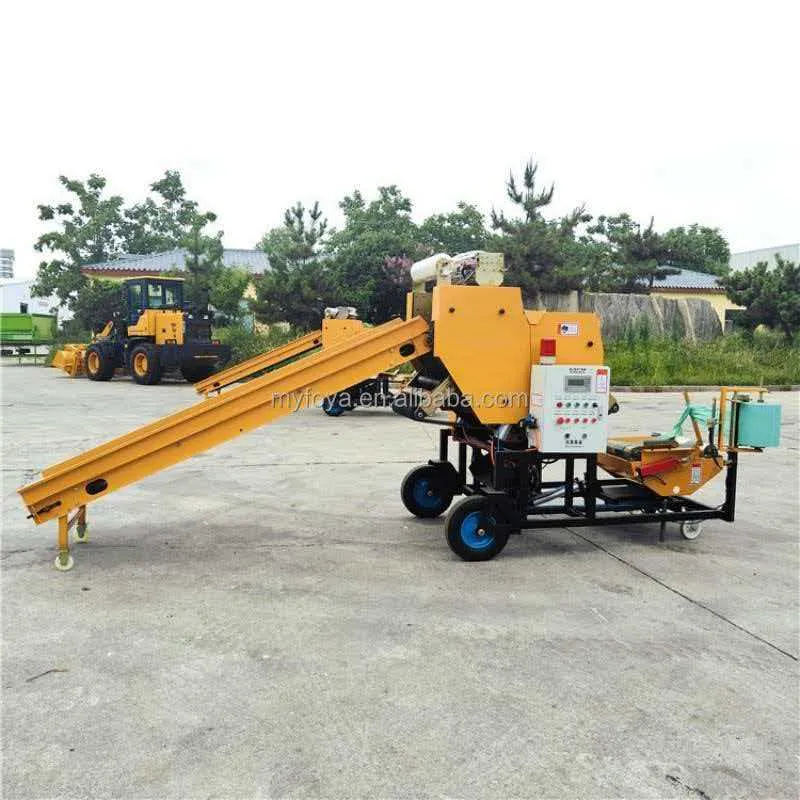
A knotter that ties cleanly on a well-tuned baler is the difference between neat, stackable bales and a field scattered with broken twine. The knotters sit at the heart of every self-propelled square baler FOYA builds, and they are designed for quick, tool-assisted adjustment so operators can stay in the field.
For hay and silage operators who prefer a compact, tractor-friendly unit, the silage baler and the round baler offer simpler tying systems with the same reliability philosophy — fewer moving parts on the round platform, and a rugged knotter on the square platform.
Frequently Asked Questions
Why does my baler knotter keep breaking twine?
Twine keeps breaking most often because the knotter timing is off, the twine discs are too tight or rough, the twine itself is dry or low grade, or the needle is striking the bill hook. Inspect the disc grooves for burrs, reset the timing so the knotter cycles as the plunger completes its stroke, and switch to baler-grade twine rated for your baler.
Why is my baler missing ties (skipping knots)?
Missed ties usually come from a dull or worn bill hook that cannot catch the twine, a loose twine tension that lets the strand drop off, or a knotter knife that has lost its edge and stalls. Replace worn bill hooks and knives, set twine tension to the manual's range, and verify the feed fingers deliver twine on every cycle.
How do I adjust baler knotter timing?
Follow your baler manual, but the general rule is: time each knotter so the bill hook begins to rotate just as the needle passes, and the twine is cut and tied before the plunger reaches the front of the stroke. If several knotters fail together, the driveshaft or gearbox may be out of phase — re-check the master timing.
What does a loose or slipping knot mean?
A loose knot means the bill hook let go too early or the twine tension was too low when the knot formed. Increase twine tension in small steps, check that the wiper arm strips the completed knot cleanly off the bill hook, and confirm the knot is seating fully before the knotter releases.
How often should I grease and service the knotter?
Grease knotter bearings and moving joints every 8 hours of operation and after any rain or dusty run. Clean twine dust and chaff off the knotters daily, inspect bill hooks and knives each morning, and replace wear parts before harvest rather than mid-season.
Can I fix a baler knotter myself or do I need a technician?
Simple fixes — cleaning, greasing, adjusting twine tension, and replacing bill hooks, knives and twine discs — are well within reach of most operators. Complex issues like master timing, gearbox phase or needle deflection are best handled by an experienced technician. When in doubt, stop and get help.
Need Knotter Parts or a Baler?
Keep your knotter in top shape with quality spares, or step up to a baler built for reliable tying. FOYA's team can help you source the right machine and the spare bill hooks and knives your knotter needs, shipped to your door worldwide.
Contact us for knotter spares and baler recommendations tailored to your operation.