You spent the whole season running your silage harvester hard — chopping corn, alfalfa and grass at full cutterhead speed. The moment the last clamp is sealed, it is tempting to park the machine, walk away, and forget about it until spring. That is exactly when most winter damage happens.
A few hours of pre-winter maintenance now will save you days of repairs — and a replacement knife set — in the spring. Cold, moisture and frost are the three biggest killers of a dormant forage harvester. This 10-point checklist walks you through everything you need to do, in the right order, so your machine starts first time next season.
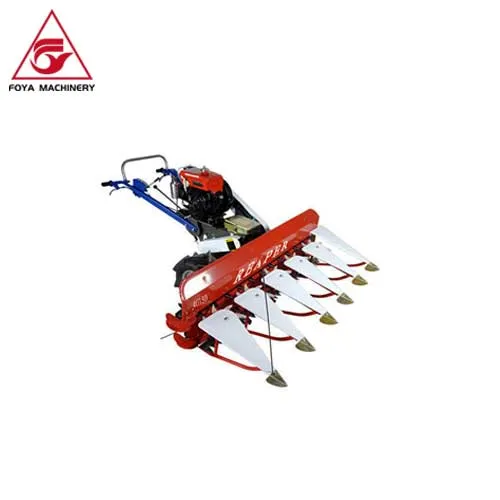
Point 1. Schedule It Early — Don't Wait for Frost
Start the full checklist as soon as the last silage cut is finished, ideally 2–4 weeks before the first hard frost. Working in mild weather is easier and safer than standing on ice. It also gives you time to order spare knives, belts or bearings before local parts dealers get overwhelmed with autumn orders.
Point 2. Power Down and Lock Out Safely
Before touching anything, shut down the engine, remove the ignition key, and disconnect the battery negative terminal. If your machine is PTO-driven, remove the PTO shaft from the tractor. Make sure the machine cannot roll: chock the wheels. A locked-out machine protects every other step on this list.
Point 3. Deep Clean Every Surface
Crop residue and silage juice are corrosive — they hold moisture against metal all winter. Use a pressure washer to remove packed crop from the feed rolls, cutterhead housing, discharge spout and walkways. Pay special attention to areas under the guards where leaf material collects. Let the machine dry completely before anything else.
| Zone | What to Clean | Why It Matters |
|---|---|---|
| Feed rolls & housing | Packed crop, rubble, silage juice | Prevents rust and frozen blockages |
| Cutterhead | Leaf wrap, residue between knives | Reveals cracks before they spread |
| Discharge spout | Dried forage, grease build-up | Keeps spout rotating freely next season |
| Undercarriage | Mud, stones, built-up soil | Slows rust on axles and frames |
Point 4. Inspect and Protect the Knives
Check every knife on the cutterhead for chips, cracks and wear. A cracked or bent knife can shatter at speed in the spring. Sharpen or replace worn knives now, when you have time and when parts are in stock. Remove the knife bank and soak it in oil overnight, or store the knives in a bucket of diesel to keep rust off the edges over winter. This is also the ideal moment to order a fresh set of sharpening service for your FOYA machine.
Point 5. Check Belts, Chains and Shear Bolts
Visually inspect every drive belt for cracks, glazing or frayed edges, and replace any that look doubtful — a belt that fails mid-season costs a full day in the field. Check chain tension on the feed and elevator drives and lubricate them. Confirm the shear bolts are the correct grade: fitting a stronger bolt than the spec protects equipment from more damage than it should save.
Point 6. Drain, Flush or Stabilize the Fuel
For diesel engines, either drain the tank and lines, or fill the tank to the brim and add a good fuel stabilizer. An empty tank gathers condensation that leads to corrosion and microbial growth in the fuel system. For small gasoline machines, drain the tank and the carburetor bowl — old fuel that turns to varnish is one of the most common reasons a forage harvester will not start in spring.
Point 7. Grease Every Grease Point
Give the machine a full grease job so fresh grease protects every bearing over the winter. Work old grease out of the nipples until clean grease appears. This pushes moisture-laden old grease away from the bearing surfaces. Refer to your operator's manual for the complete list of grease points — a common count is 12 to 18 on a tractor-mounted harvester.
Point 8. Protect Electrical Connections and Hydraulics
Unplug and clean electrical connectors, then coat them with dielectric grease to keep corrosion and moisture out. Check the wiring harness for chafing where it rubs on frames. For hydraulic systems, check oil level and top up with the correct fluid. Clean and lightly grease the hydraulic couplers and caps so they stay free-moving.
Point 9. Check Tires and Wheel Bearings
Inflate tires to the recommended pressure and check for cracks or weather damage. Chock the wheels and relieve weight off the tires by jacking the machine slightly, so flat spots don't form over the winter. Grease the wheel bearings and inspect the hubs for any sign of grease leakage that would indicate a failing seal.
Point 10. Store Dry, Covered and Off the Ground
Choose a dry, level storage spot under a roof if you can. If the machine must sit outside, use a tight-fitting cover and park on timber or gravel so it does not sit directly on wet soil. Cover the exhaust, intake and the discharge spout opening to keep pests and moisture out. During the seasonal rest, start the engine and run it once a month for 10 minutes if the machine is self-propelled, to keep seals lubricated and the battery charged.
Quick Reference: Pre-Winter Maintenance Schedule
| Task | Frequency | Tools / Note |
|---|---|---|
| Full deep clean | Once per season (end) | Pressure washer, air blower |
| Knife inspection & removal | Once per season | Socket set, store knives in oil |
| Belt & chain check | Once per season + monthly | Replace cracked belts now |
| Fuel drain / stabilize | Once per season | Stabilizer or full tank |
| Grease all points | Once per season + monthly | 12–18 nipples typical |
| Electrical & hydraulic check | Once per season | Dielectric grease, correct fluid |
| Tires & final monthly run | Monthly (self-propelled) | Run 10 min to charge battery |
Why Pre-Winter Care Pays Off
The cost of a neglected winter is almost always higher than the cost of the maintenance itself. A seized bearing, a ruined knife set, or a fuel system clogged with varnish can mean buying genuine parts and losing field time right at the start of the season. Pre-winter work keeps your tractor-mounted silage harvester dependable and extends its working life by years.
For larger operations, the same principles apply to a self-propelled silage harvester, with extra attention to the engine, cooling system and monthly running. And if you also run a silage baler in your forage system, winterize it in the same session while you have the tools and shelter to hand.
Frequently Asked Questions
How long does it take to winterize a silage harvester?
For a tractor-mounted machine, the full 10-point checklist takes about half a day (4–5 hours) with two people. Cleaning is the biggest time cost. If your silage harvester had an unusually rough or dusty season, budget a full day so you can also inspect bearings and drive chains properly.
Should I drain fuel from the silage harvester for winter?
For diesel engines, either drain the tank or fill it to the top and add a fuel stabilizer. An empty tank can collect condensation that corrodes the fuel system over winter. Filling to the top leaves no air space for water to form. For gasoline-powered forage machines, always drain the carburetor bowl as well as the tank.
Can I store a silage harvester outside during winter?
Yes, but only with a tight cover and on dry, level ground or timber off the bare soil. Silage harvester discharge spouts, knife banks and electrical connections are especially vulnerable to rain and frost. A shed or shelter is far better. If you must store outside, remove and keep the knives indoors in oil.
Do I need to remove the knives for winter storage?
Yes for a serious winterizing job. Removing, cleaning and oiling the cutterhead knives prevents rust pitting and lets you have them sharpened over winter. Sealing knife bolts from the outside also keeps salt and moisture away from threads. Many operators pull the knives and store them in a bucket of diesel or oil.
Where can I get replacement knives or belts for a silage harvester?
Contact FOYA Machinery directly. We supply genuine spare parts for our tractor-mounted and self-propelled silage harvesters. Share your machine model and cutterhead size and our team will quote knives, belts, bearings and shear bolts. Contact us on WhatsApp or email and we will arrange worldwide shipping.
What if my silage harvester failed before the season ended — can it still be winterized?
Yes — the pre-winter checklist still applies, but have the machine repaired first. A machine parked with a known fault (a noisy bearing, a slipping belt or a damaged knife) will only get worse over winter. Fix it now, then clean and store it, so it is fully working and ready when spring comes.
Need Help Winterizing Your Forage Equipment?
Not sure which knives, belts or bearings your silage harvester needs, or whether you should replace parts before winter? The FOYA Machinery team can help you identify the correct genuine parts for your machine model and cutterhead size. We serve over 50 countries with factory-direct pricing and reliable worldwide shipping.
Browse our silage harvester product page for specifications, or get in touch for spare parts and maintenance advice.
Contact us for silage harvester spare parts and pre-winter maintenance advice.